Why Career Guidance Matters Before Studying Abroad in 2026: A Complete Guide for Students and Parents
Studying abroad is an exciting opportunity that can transform a...
Read More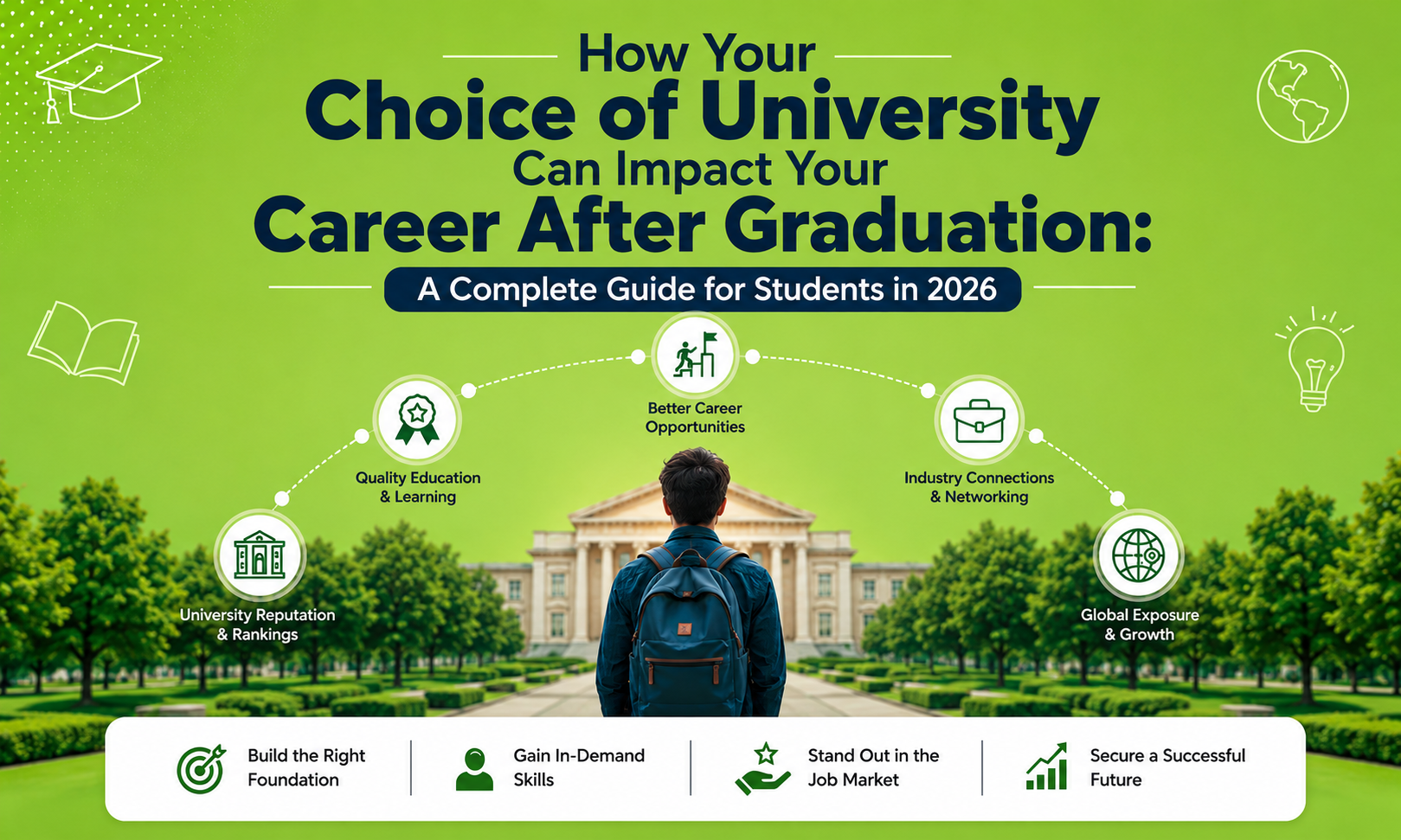
Choosing the right university is one of the most important decisions students make when planning their future. For students considering international education, working with the best study abroad or educational consultancy in Abu Dhabi, UAE can help them compare universities, understand admission requirements, and choose programs that align with their career goals.
For students planning to study overseas in 2026, choosing the right university can influence academic development, practical skills, professional networking, internship opportunities, and future career pathways. With thousands of universities and programs available worldwide, making the right decision requires careful research and planning.
This is where guidance from a reliable study abroad educational consultancy in Abu Dhabi, UAE can help students and parents make more informed choices.
Before selecting a university, students should verify whether the institution and their chosen program are appropriately recognized and accredited.
Recognition can be particularly important for students pursuing regulated professions such as medicine, engineering, healthcare, law and other specialized fields. Requirements can vary depending on the destination country, profession, and where a graduate plans to work.
Instead of choosing a university simply because it appears in an advertisement or has a high ranking, students should research its official recognition, accreditation, program structure, and relevant professional requirements.
A recognized qualification can provide a stronger foundation for future employment or further education, subject to the requirements of the relevant country or professional authority.
The reputation of a university is only one part of the decision. The course you choose can have a direct relationship with your skills, knowledge, and future career direction.
Before applying, students should ask:
Does the course match my interests and strengths?
Does the curriculum support my career goals?
Does the program include practical learning?
Are internships or industry projects available?
What skills will I develop during the program?
What further study or professional opportunities could the qualification support?
The right combination of university, course, and career objective can make a significant difference to the value of your international education.
Employers often value candidates who can demonstrate more than academic knowledge. Practical experience, communication skills, teamwork, and problem-solving abilities can also be important.
When comparing universities, students should investigate whether the institution has connections with companies, organizations, hospitals, technology firms, financial institutions, or other relevant industries.
Internships, work-integrated learning, industry projects, career fairs, guest lectures, and networking events can give students opportunities to understand how their classroom knowledge applies to real professional environments.
These experiences can also help students understand their chosen industry before graduation.
University career services are another factor that students should consider before making a decision.
Depending on the institution, career support may include:
CV and resume guidance
Interview preparation
Internship assistance
Career counselling
Job fairs
Employer networking
Professional development workshops
Graduate career resources
Career support does not guarantee a job, but it can help students prepare more effectively for the transition from university to professional life.
Location can also play a role in a student's university experience and professional exposure.
Universities located near major business, technology, healthcare, engineering, financial, or research hubs may offer students access to a wider range of companies, professional events, internships, and networking opportunities.
However, students should not choose a destination based only on career opportunities. Living expenses, accommodation, transportation, safety, lifestyle, visa conditions, and applicable employment regulations should also be considered.
A good university decision should balance career opportunities with affordability and overall student experience.
Studying abroad is about more than earning a degree. International students often experience a new academic environment, culture, language, and way of life.
This experience can help students develop transferable skills such as:
Communication
Adaptability
Independence
Teamwork
Cross-cultural awareness
Problem-solving
Time management
These skills can be useful in workplaces where employees are expected to collaborate with people from different backgrounds.
International education can also provide students with opportunities to build friendships and professional connections across countries, potentially creating a valuable international network.
A university's alumni network is another factor that should not be overlooked.
An active alumni community can provide opportunities for professional networking, mentorship, industry insights, and connections with graduates working in different sectors and countries.
Before applying, students can research where alumni work, which industries they enter, and whether the university maintains an active relationship with its graduates.
Looking at graduate outcomes can give students a broader understanding of the potential opportunities associated with a university and its programs.
University rankings can be useful when researching institutions, but they should not be the only deciding factor.
A highly ranked university may not necessarily be the best fit for your chosen course, budget, career goals, preferred destination, or personal circumstances.
Instead, compare universities based on multiple factors:
Recognition + Course Quality + Career Support + Industry Exposure + Location + Affordability + Student Experience
The best university is not necessarily the one with the highest ranking. It is the institution that best aligns with your academic goals, financial situation, career plans and personal expectations.
Researching universities, courses, destinations, admission requirements, tuition fees, documentation, and other factors can be overwhelming for students and parents.
A professional education consultancy can help simplify the process by understanding a student's academic background, interests, budget, and career aspirations before suggesting suitable options.
For students looking for the best educational consultancy in Abu Dhabi, UAE, EduCare International provides guidance for students exploring international education opportunities. From university and course selection to understanding admission requirements and planning the next stages of the study abroad journey, professional counselling can help students make more informed decisions.
The goal should not simply be to find a university where a student can obtain admission. The goal should be to identify an educational pathway that supports the student's long-term academic and career objectives.
Getting an admission letter is an exciting milestone, but it is only the beginning.
Students planning to study abroad in 2026 should think beyond questions such as “Which university can I get into?” and ask:
“Which university can help me move toward the career I want?”
Consider the qualification, curriculum, practical experience, industry connections, career support, location, affordability, and future opportunities before making your final decision.
Your choice of university can influence your education, professional skills, network, international exposure, and preparation for your future career. That is why selecting a university should be a strategic decision rather than simply a choice based on rankings or popularity.
If you are planning to study overseas from Abu Dhabi, take the time to research your options carefully and seek professional guidance where necessary. A trusted study abroad educational consultancy in Abu Dhabi, UAE can help you understand different destinations, universities, courses, and admission pathways based on your individual goals.
EduCare International is committed to helping students explore international education opportunities and make informed decisions about their academic future.
Remember: your university is not just where you earn your degree—it can be an important part of the foundation you build for your career. Choose wisely, plan ahead, and keep your future goals at the center of every decision.
 Information Blog
Studying abroad is an exciting opportunity that can transform a...
Read More Information Blog
Planning to study abroad is an exciting step toward building...
Read More Information Blog
Studying abroad is a major step toward building a global...
Read More Information Blog
Choosing the right country for medical education is one of...
Read More Information Blog
For students planning to pursue Medicine abroad in 2026, Georgia...
Read More Information Blog
Choosing to study medicine is one of the biggest academic...
Read More Information Blog
Studying abroad can open the door to new academic experiences,...
Read More Information Blog
Studying abroad is a major decision that involves much more...
Read More Information Blog
Studying abroad is more than simply getting admission to a...
Read More Information Blog
Loving animals is a great starting point for a career...
Read More Information Blog
Choosing a career in dentistry is about much more than...
Read More Information Blog
Choosing the right destination for higher education is an important...
Read More