Undergraduate Program | Ganja, Azerbaijan
International Admissions
English-Medium Study Available- Develop knowledge and practical skills in animal health, veterinary care, diagnostics and disease prevention in a specialized veterinary learning environment.
About the Veterinary Medicine Program
The Veterinary Medicine program at ADAU is designed to develop knowledge and skills relevant to animal health, disease prevention, diagnosis and veterinary care. Students study within a university environment focused on agriculture, animal sciences and related disciplines, providing opportunities to understand veterinary medicine in connection with animal production and agricultural systems.
Why Study Veterinary Medicine at ADAU?

Dedicated Faculty of Veterinary Medicine
Students study within a specialized faculty focused on veterinary education, research and professional development.

Practical Veterinary Training
ADAU provides opportunities for practical learning through veterinary facilities and hands-on training activities. The university has reported practical training in areas including artificial insemination and veterinary procedures.

Veterinary Clinical Facilities
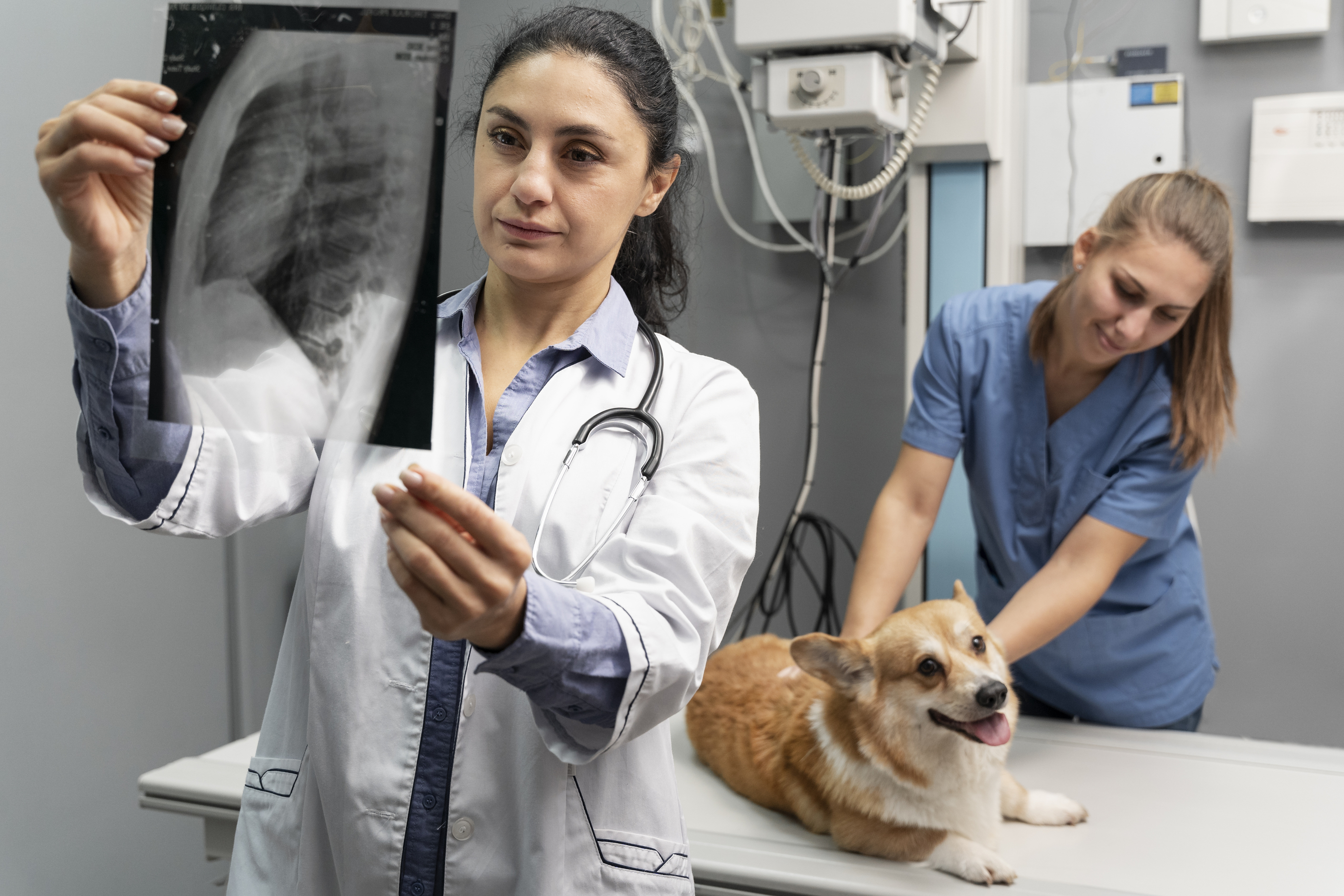
ADAU’s veterinary infrastructure includes a veterinary clinic where examinations, ultrasound diagnostics, X-ray procedures and surgeries have been conducted by veterinary professionals.

Laboratory & Research Environment
Students have access to university laboratories, research facilities and specialized centres supporting practical and scientific learning.

Animal Health & Agricultural Focus
ADAU’s agricultural background provides a learning environment where veterinary medicine connects with animal science, livestock production and broader agricultural systems.

International Student Opportunities
ADAU accepts international applicants and provides a dedicated admission process through Azerbaijan’s Education Portal.
Areas of Veterinary Learning

Veterinary Anatomy & Physiology
- Students learn the structure and normal functions of animals, including their organs, body systems, tissues and physiological processes.
_1788795463.jpeg)
Animal Health & Disease Management
- This area focuses on understanding common animal diseases, their causes, symptoms, prevention and appropriate approaches to maintaining animal health.
_1788795519.jpeg)
Veterinary Diagnostics
- Students develop knowledge of clinical examination and diagnostic methods used to identify animal health conditions, including laboratory testing and diagnostic imaging.
_1788795561.jpeg)
Veterinary Medicine & Clinical Practice
- Students learn how to assess, manage, and treat animals in clinical settings, covering areas such as internal medicine, emergency care and patient management.
_1788795605.jpeg)
Veterinary Surgery & Reproduction
- This area introduces surgical principles, anaesthesia, wound management and procedures related to animal reproduction, including breeding and reproductive health.
_1788795655.jpeg)
Veterinary Public Health & Preventive Care
- Students explore the role of veterinarians in preventing diseases that can affect animal populations and humans, along with food safety, disease control and animal welfare.
Veterinary Medicine
Investing in Your Future
TUITION FEES
USD 3000
/Year
HOSTEL FEES
USD 550
/Year
Campus & Clinical Life
_1788796602.jpeg)