Azerbaijan Medical Universities: Fees, Admission & Eligibility Guide
Azerbaijan has become one of the emerging destinations for...
Read More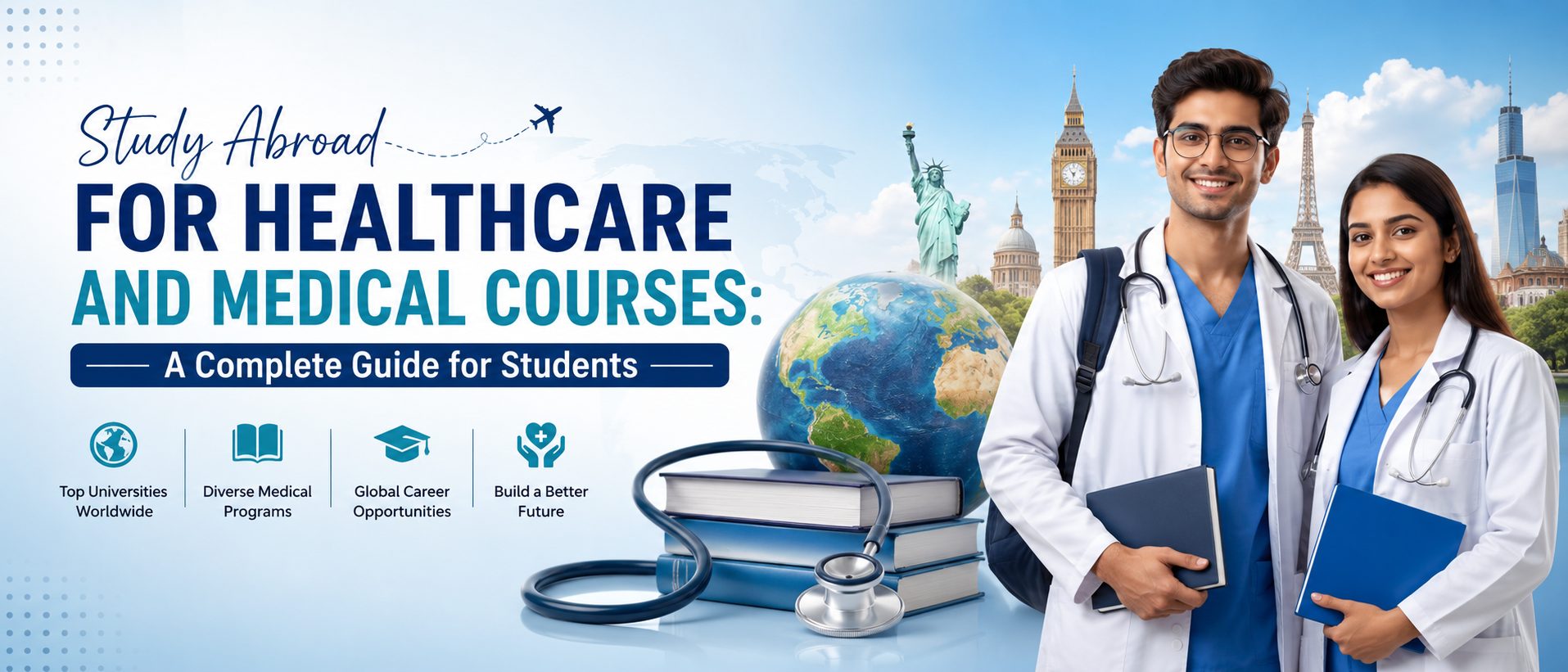
Studying healthcare or medicine abroad can be an excellent opportunity for students who want to build an international career in the healthcare sector. From a Doctor of Medicine (MD) degree to healthcare management courses, paramedical courses and postgraduate programs, universities around the world offer a wide range of options for international students.
However, choosing the right country, university, and course can be challenging. Students must consider factors such as university recognition, admission requirements, tuition fees, living costs, language requirements, licensing regulations and future career opportunities.
Working with experienced study abroad consultants or abroad education consultants can help students understand their options and make informed decisions. This guide explains some of the major healthcare and medical study opportunities available internationally and how students can plan their study abroad journey.
The global healthcare industry offers diverse career opportunities for qualified professionals. As healthcare systems continue to develop, there is growing demand for doctors, nurses, medical technologists, healthcare administrators, medical assistants and other healthcare professionals.
Studying abroad can provide students with exposure to different healthcare systems, multicultural environments and international academic practices. Depending on the destination and program, students may also gain access to modern laboratories, teaching hospitals, clinical training facilities, and research opportunities.
For students interested in medicine, studying at an internationally recognised university can be an important step toward building a global career. However, students should always check whether the chosen medical degree is recognised in the country where they intend to practise.
A Doctor of Medicine program is one of the most popular choices for students who want to pursue a career as a physician. The structure and duration of medical education vary significantly between countries.
In some countries, medicine is offered as a direct-entry undergraduate medical degree after secondary education. In others, students must first complete a bachelor's degree and meet specific prerequisites before entering medical school.
International students interested in studying medicine should carefully check:
Students should also verify whether the university and medical program meet the requirements of the medical regulatory authority in their home country or future country of practice.
Many students search online for the best medical schools in the world when planning their education. However, there is no single university that is the best choice for every student.
Global university rankings can provide useful information, but rankings should not be the only factor when selecting a medical school. Students should consider the university's accreditation, curriculum, teaching facilities, clinical exposure, research opportunities, international student support, tuition fees, and graduate outcomes.
It is also important to understand that medical education is highly regulated. A university may have an excellent global reputation but still not meet the specific licensing requirements of the country where a student plans to practise medicine.
Before applying, students should research the relevant medical council or licensing authority and confirm the current eligibility requirements.
Healthcare is not limited to clinical professions. Modern healthcare organisations also need professionals who understand management, administration, finance, operations, healthcare policy, and leadership.
Healthcare management courses are designed for students and professionals who want to develop skills in managing hospitals, clinics, healthcare organisations, pharmaceutical companies, and other healthcare-related institutions.
Depending on the university, healthcare management programs may cover areas such as:
These programs can be suitable for students who want to work on the business and administrative side of healthcare rather than in direct clinical practice.
A Master in Healthcare Management or a similar postgraduate qualification can be an excellent option for graduates who want to develop advanced management skills within the healthcare industry.
The exact program title varies between universities and may include degrees such as Master of Healthcare Management, Master of Health Administration, or related healthcare leadership programs.
Typical eligibility requirements may include a bachelor's degree, although requirements vary by institution. Some universities may prefer applicants with healthcare, business, management, or related academic backgrounds, while others may accept graduates from a wider range of disciplines.
Students considering a master's degree should compare:
A postgraduate degree in healthcare management may lead to career opportunities in hospital administration, healthcare consulting, health insurance, healthcare operations, and other non-clinical healthcare roles.
Not every student interested in healthcare wants to become a doctor. Paramedical courses and allied health programs offer alternative pathways into the healthcare sector.
Depending on the country and institution, students may find programs related to medical laboratory science, radiography, physiotherapy, emergency medical services, medical imaging, occupational therapy and other allied health disciplines.
These fields play an important role in supporting doctors and other healthcare professionals.
Before choosing a paramedical program abroad, students should check:
Professional licensing is particularly important for healthcare careers. Completing a course abroad does not automatically guarantee the right to practise in another country.
Healthcare professionals need to continuously update their knowledge because medical science, technology, and treatment methods are constantly evolving. Continuing medical education (CME) provides opportunities for qualified healthcare professionals to improve their knowledge and stay updated with developments in their field.
CME can include conferences, workshops, seminars, online learning, clinical updates and other educational activities. The availability and recognition of CME credits depend on the relevant professional and regulatory bodies.
Students and healthcare professionals should verify whether a CME activity is officially accredited and whether the credits are recognised by the relevant licensing authority before enrolling.
Unlike a full medical degree, CME is generally intended for professionals who are already qualified and working in healthcare. It should not be confused with an undergraduate medical degree or a postgraduate clinical qualification.
A medical assistant is another healthcare-related career that may appeal to students interested in supporting healthcare delivery. The exact responsibilities and qualification requirements for medical assistants vary by country.
Depending on local regulations, medical assistants may perform administrative duties, assist with patient preparation, maintain medical records, support healthcare professionals, and carry out other permitted tasks.
Students interested in becoming a medical assistant should carefully research the qualification requirements of their preferred destination. A certificate or qualification earned in one country may not automatically provide professional eligibility in another.
The broader healthcare sector also includes careers in medical laboratory technology, pharmacy, nursing, physiotherapy, radiology, public health, healthcare administration, and health informatics.
Planning international education requires careful research. Study abroad consultants can assist students in understanding university options, application procedures, documentation and other aspects of the admission process.
Professional abroad education consultants may help students with:
However, students should always verify information independently and use official university and government sources for the latest admission, visa, and regulatory requirements.
A reputable study abroad agency should provide transparent information about universities, fees, admission requirements and services. Students should be cautious of agencies that guarantee admission, visas, or employment outcomes.
Choosing a destination is one of the most important decisions in the international education journey. Students should consider their academic goals, budget, career plans and personal preferences.
For medical and healthcare programs, additional factors are particularly important. These include university recognition, clinical training, professional licensing, language of instruction, and the rules governing international graduates.
Students should ask themselves:
These questions can help students avoid choosing a course solely based on low tuition fees or attractive advertisements.
Choosing the right university and course is an important decision for students planning to study abroad. Whether you are interested in a Doctor of Medicine, healthcare management, paramedical courses, or other healthcare-related programs, proper planning and reliable guidance can make the admission process easier.
EduCare International is an education consultancy that supports students in exploring international study opportunities and finding suitable programs based on their academic background and career goals. Our team can guide students through various stages of the study abroad journey, including university and course selection, application procedures, admission guidance and other essential steps.
If you are looking for reliable study abroad consultants or abroad education consultants, EduCare International can help you explore suitable opportunities in international education. Students can receive guidance on available programs and understand the admission requirements before making an informed decision.
Whether your goal is to pursue a Doctor of Medicine, a Master in Healthcare Management, a paramedical program, or another healthcare-related qualification, choosing the right destination and recognised institution is essential.
Start your journey by identifying your preferred field, researching recognised universities, comparing programs and seeking professional guidance. With careful planning and informed decision-making, studying abroad can become an important step toward building a successful international career in healthcare.
Get in touch with EduCare International today to explore your study abroad opportunities and take the next step toward achieving your academic goals.
_1782388795.png) Informational Blog
Informational Blog
Azerbaijan has become one of the emerging destinations for...
Read More_1782734212.png) Informational Blog
Informational Blog
Poznan University of Medical Sciences (PUMS) is...
Read More (1400 x 600 px) (2)_1783087528.png) Informational Blog
Informational Blog
Many international students planning to study Medicine in...
Read More_1783336859.png) Informational Blog
Informational Blog
Germany is recognised worldwide for its engineering excellence,...
Read More, MBBS & Dentistry (1400 x 600 px)_1783492566.png) Informational Blog
Informational Blog
Every year, thousands of international students choose Azerbaijan Medical...
Read More_1783514679.png) Informational Blog
Informational Blog
Germany is one of the most popular study destinations for...
Read More at Poznan University of Medical Sciences 2026 Admission Requirements, Fees & MBBS Equivalent Guide (1400 x 600 px) (1)_1783595400.png) Informational Blog
Informational Blog
For students who dream of becoming doctors, choosing the right...
Read More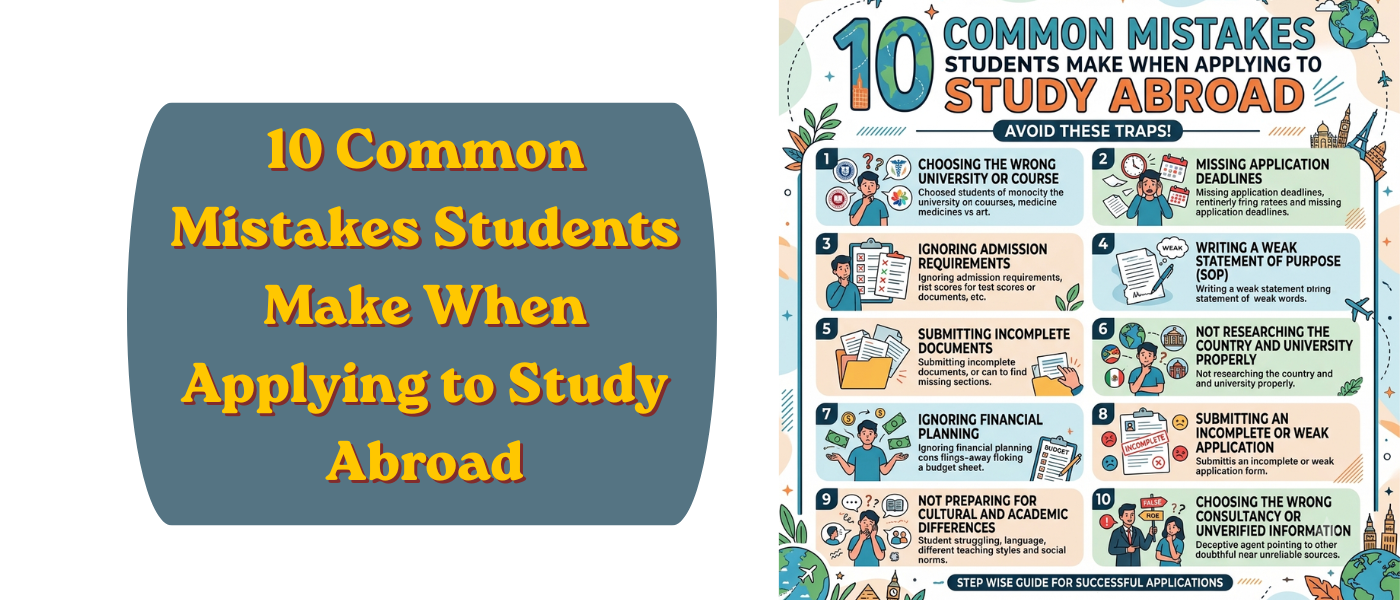 Informational Blog
Studying Abroad? Avoid These Common Application Mistakes
_1783946542.png) Informational Blog
Informational Blog
Studying abroad is one of the biggest decisions...
Read More Informational Blog
Studying abroad is a life-changing decision that opens the door...
Read More and Dentistry in 2026_1784190500.png) Informational Blog
Informational Blog
For many students, becoming a doctor or dentist is more...
Read More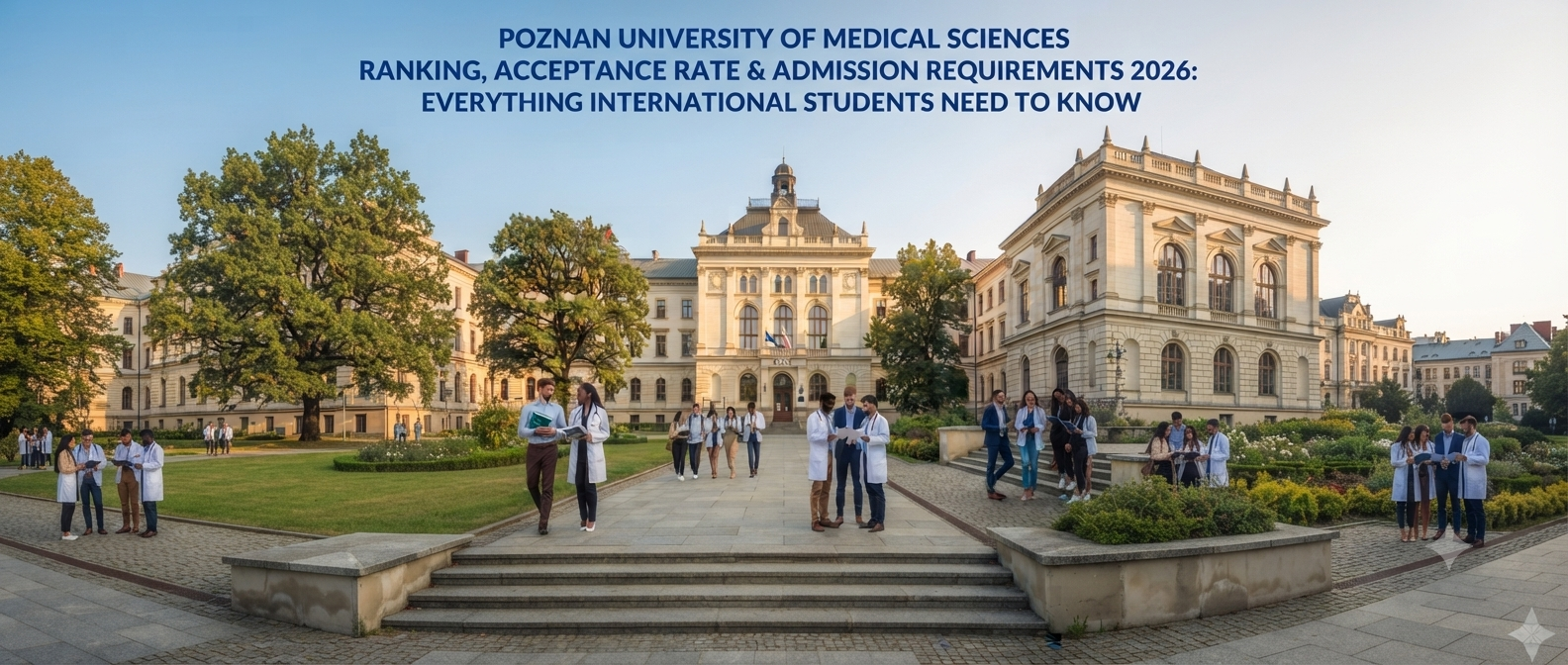 Informational Blog
Choosing the right medical university is one of the most...
Read More Informational Blog
Studying abroad has become one of the most popular choices...
Read More